
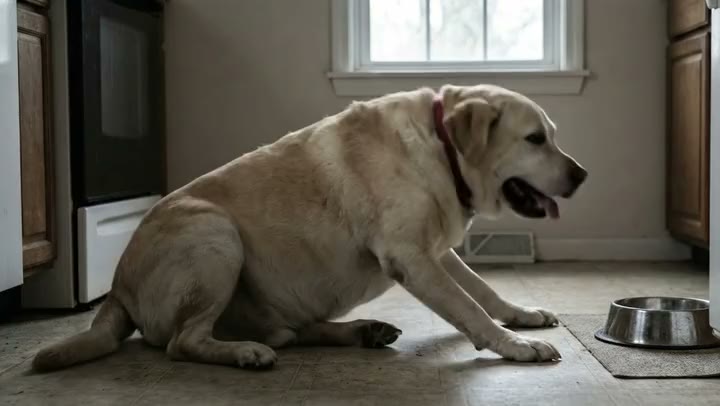
You came for the Japan answer. Then you looked at the dog beside you and realized the real question: what can you do with the days you have together?
Five extra years. It is the kind of number that makes you stop scrolling, especially when your dog is already taking the stairs a little slower. The Japan story gives that number a face: the dog beside you. Its answer unfolds across five parts of a longer-life routine — the dog you start with, the body condition you maintain, movement that continues with age, attention to small health changes, and support you can make part of every day.
Here is how to bring each lesson home to your own dog.
The first reason is the starting population. Breed and size shape the lifespan number for any group of dogs. In the video, the Border Terrier's median is 14.2 years, the Papillon's 14.5, the Shiba Inu's 14.6, and the Tibetan Spaniel's 15.2.

Those breed medians cannot predict the life of one dog. They show why the first part of the Japan story is the mix of dogs behind the average. Which dogs are counted can lift or lower the number before any daily care is considered.
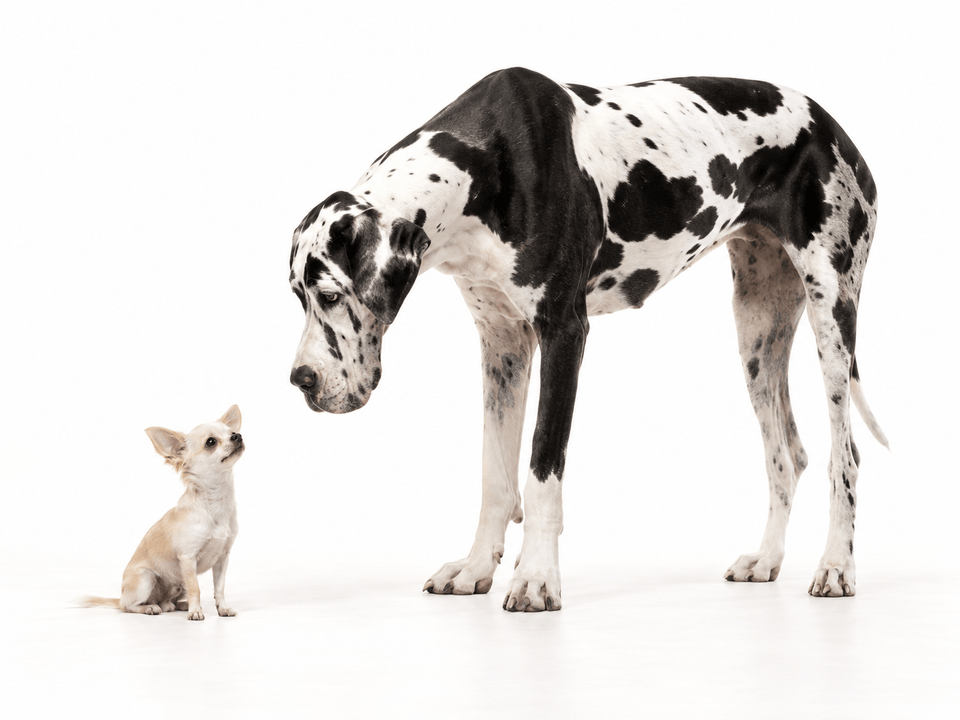
Use their breed, size, and life stage as context for the care they need today. A group average is a starting point for questions, not a date on their calendar.
The second reason is what happens after the breed and size are set. A healthy body condition is built meal by meal across the years between birthdays.
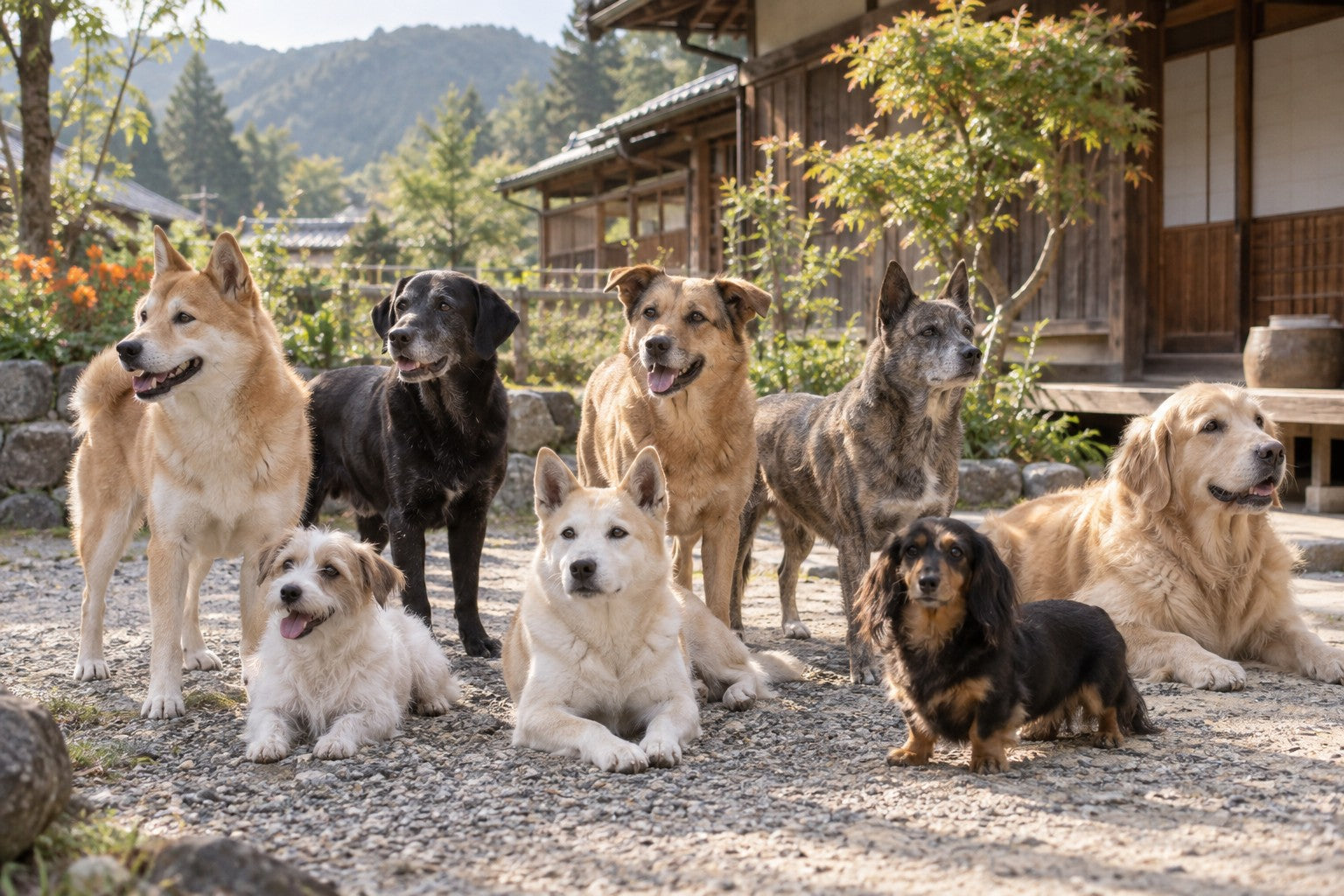
Balanced meals and portions suited to the dog help you care for the body that carries them through walks, stairs, play, and rest. In the Japan story, that daily bowl matters more than a dramatic once-a-year decision. The choice is visible in the amount you serve tonight and in the body condition you keep watching.
For your dog, start with the food they already eat. Check the amount against their size and life stage, notice weight changes, and ask your vet when you need help adjusting the plan.
The third reason is movement that stays with the dog through changing years. Picture the walk your own dog still wants to take, even if it has become shorter or slower.
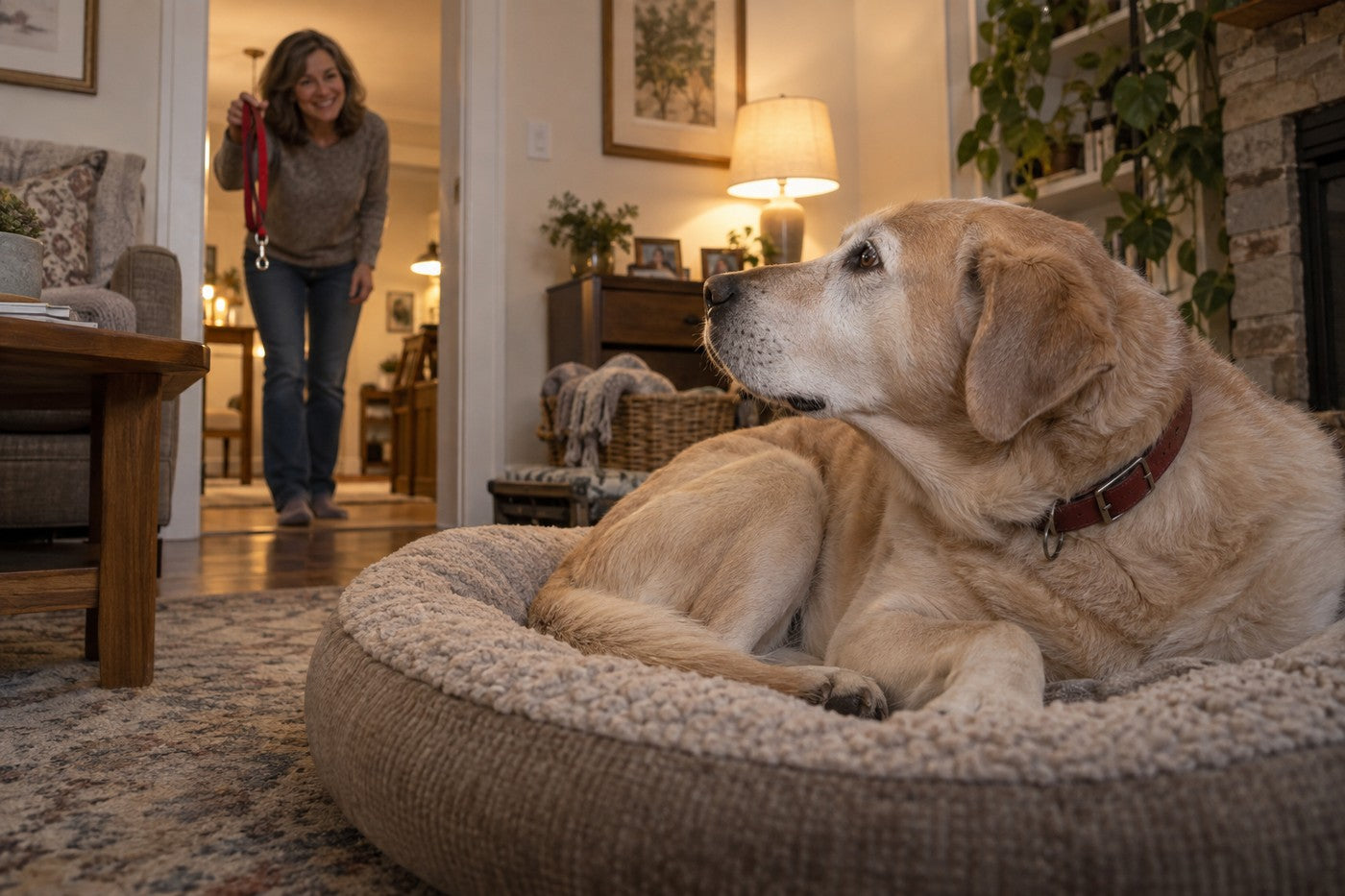
Activity suited to their age and abilities gives that day structure: the route around the block, time to sniff, a little play, and room to rest. The point is a pattern your dog can keep, not a distance borrowed from someone else's dog.
For yours, watch how they rise, move, and recover. Adapt the pace and bring a new or worrying change to your vet. The leash is still an invitation to spend time together.
You cannot choose a breed median or rewrite the past. You can choose a routine for the dog sharing your kitchen tonight.
See Protocol & choose your planThe fourth reason is attention before a small change becomes the whole story: a mouth that needs care, a walk that suddenly feels harder, a new reluctance at the bowl, or a change in sleep.
Regular veterinary visits and dental care turn attention into action. They give you a chance to check the small things, understand what has changed, and choose care that fits the dog in front of you. No single sign tells the whole story, and different changes have different causes.
Keep up with dental care and routine vet visits. Write down changes you see and ask about them early, while you still remember exactly what changed.
Nutrition, movement, and attention are practical habits. Pawprint Protocol adds a measured liquid step at dinner. Its four actives bring the cellular-energy conversation into that same daily rhythm.
Measure the label-directed amount for your dog's weight and add it to food. The step fits into a meal they already know.
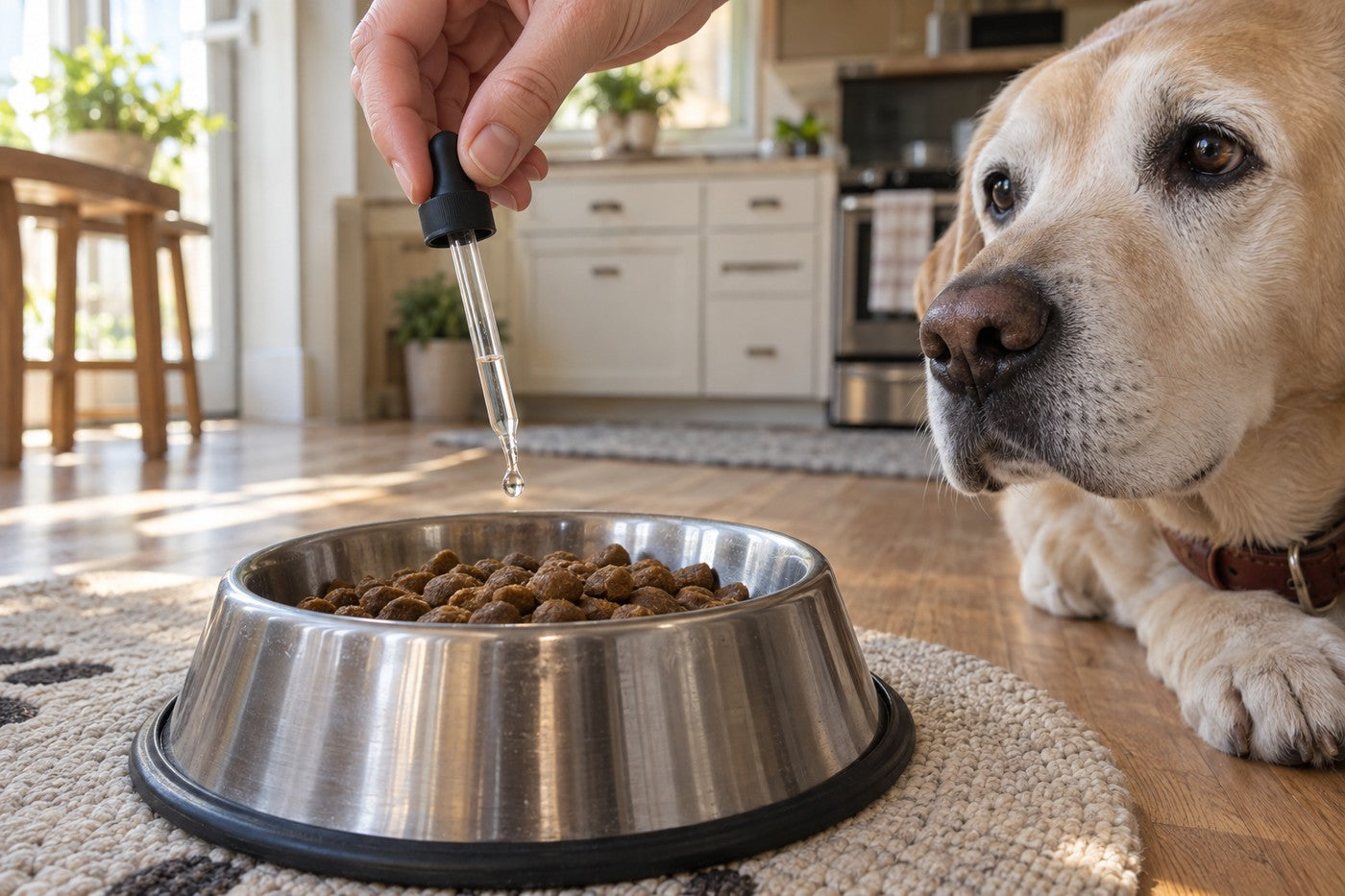
The fifth reason is consistency. The habits in this longer-life story work as a daily pattern, not a burst of attention after a striking headline.
At the cellular level, energy production involves NAD+ and CoQ10; NMN is part of the pathway the body uses to make NAD+. Pawprint Protocol combines those with resveratrol in a liquid formula for cellular-energy support. It is one measurable addition to the care you already give.
For your dog, keep the meals balanced, keep a suitable walk, keep noticing changes, and use the label-directed Protocol amount with food. One steady routine turns the Japan story into a choice you can make on an ordinary Tuesday.
The dog beside you has their own size, pace, and needs. Build the daily plan around them.
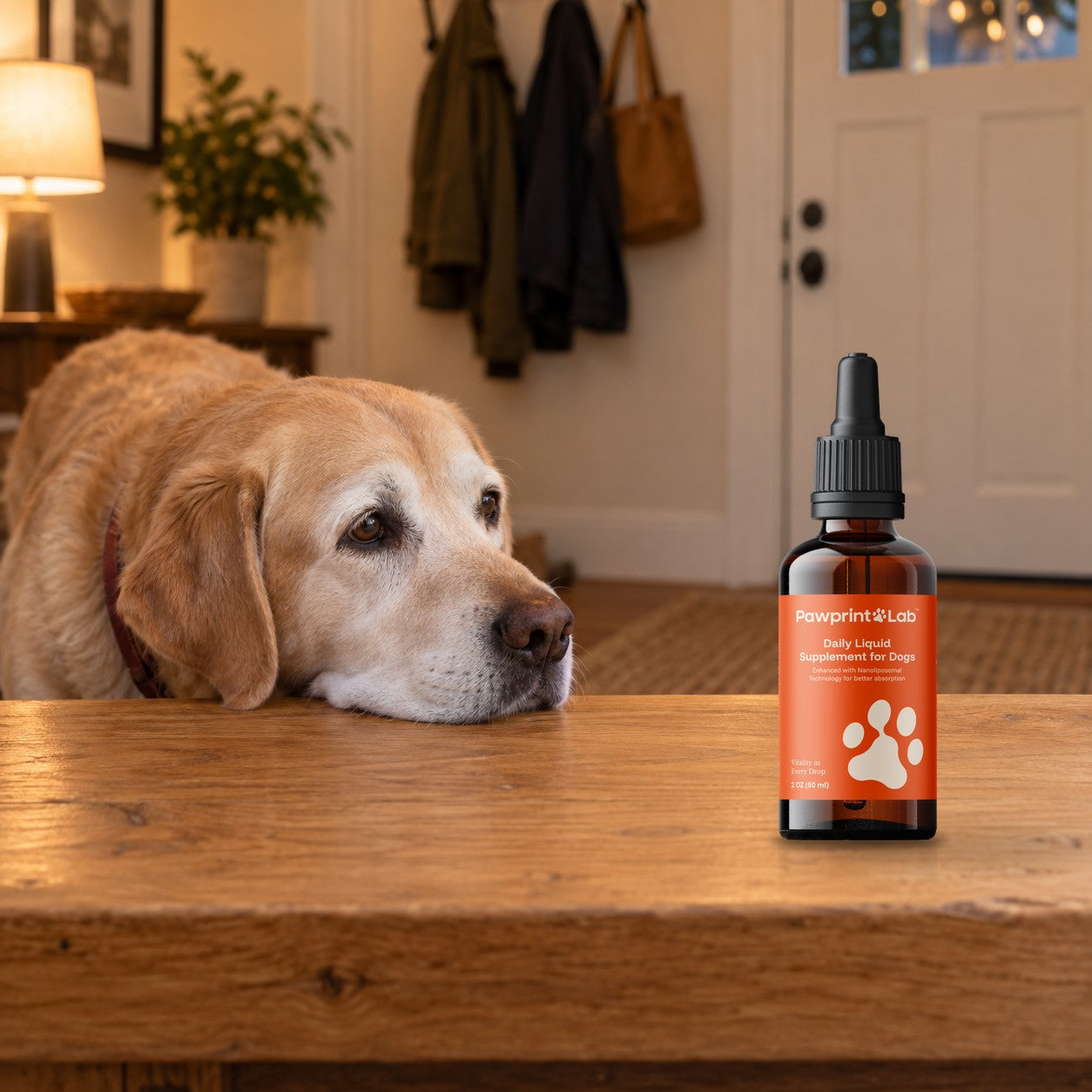
A measured liquid step with dinner. One 60 mL bottle brings NMN, NAD+, resveratrol, and CoQ10 into your dog's cellular-energy routine.
Based on $51.75 for one bottle delivered every 4 weeks, with free shipping shown on the product page.
Daily billing equivalent: $51.75 ÷ 28 days, rounded. Dogs needing more than one bottle per 4 weeks have a higher daily cost.
The daily amount is set by weight: one full dropper for dogs under 22 lb, two for 22–55 lb, three for 55–88 lb, and four for dogs 88 lb and up. Each full dropper is 1 mL.
At those amounts, a 60 mL bottle lasts about 60, 30, 20, or 15 days respectively. Compare your dog's daily amount with the subscription's 4-week delivery schedule before choosing a bottle quantity.
Pawprint Protocol is a dietary supplement for cellular-energy support alongside balanced meals, suitable activity, dental care, and veterinary visits. If a new change in movement, appetite, or behavior concerns you, speak with your veterinarian.
Current pricing, weight-based directions, subscription terms, and the 90-day money-back guarantee are on the official product page.


